
Urology
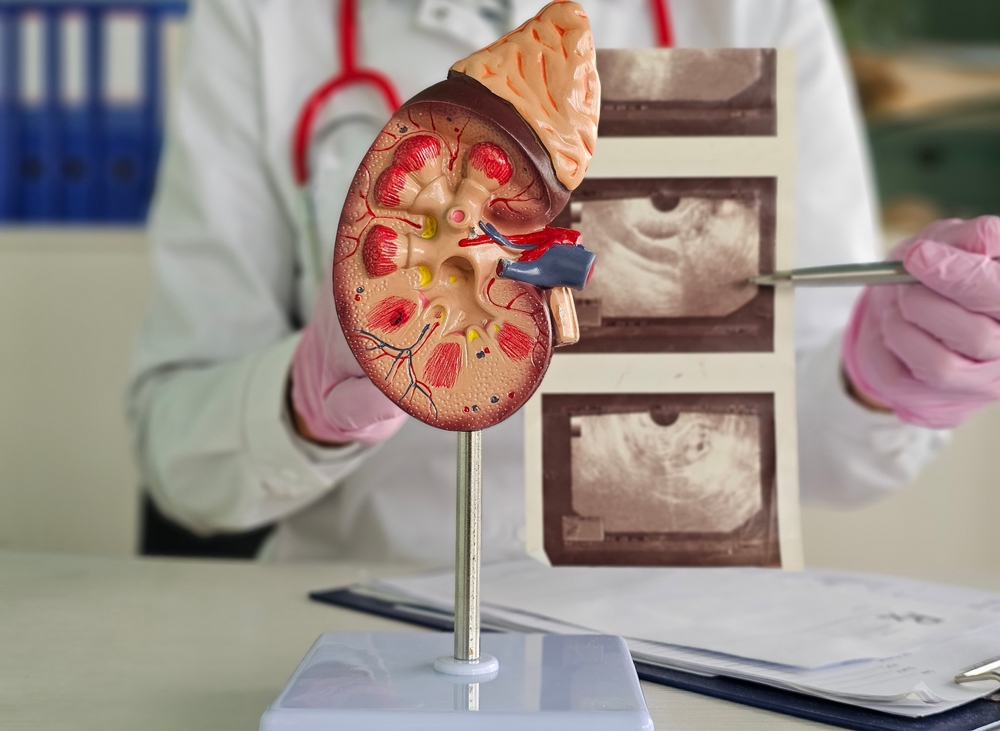
Urology is a specialized branch of medicine focused on the diagnosis and treatment of disorders affecting the urinary tract system in both men and women, as well as the male reproductive system. Leading urology specialists in Vijayawada are highly trained medical professionals with extensive expertise in managing a broad spectrum of urological conditions. This comprehensive overview highlights the scope of urology, common urological disorders, advanced diagnostic approaches, and the latest treatment options available to ensure accurate care and optimal patient outcomes.
Common Urological Conditions:
> Urinary Tract Infections (UTIs):
Infections affecting any part of the urinary system, including the kidneys, ureters, bladder, or urethra. Common symptoms include burning or pain during urination, frequent urination, urgency, and discomfort.
> Kidney Stones:
Hard mineral and salt deposits that form in the kidneys and may cause severe pain, blood in urine, nausea, or difficulty while passing urine.
> Benign Prostatic Hyperplasia (BPH):
A non-cancerous enlargement of the prostate gland in men, leading to urinary symptoms such as frequent urination, urgency, weak urine stream, and difficulty in bladder emptying.
> Erectile Dysfunction (ED):
The inability to achieve or maintain an erection sufficient for satisfactory sexual activity. This condition may result from aging, chronic medical conditions, lifestyle factors, or certain medications.
> Male Infertility:
The inability to conceive after one year of unprotected intercourse, often due to problems with sperm production, quality, or delivery.
> Testicular Cancer:
A malignant growth in the testicles that may present as a lump, swelling, or pain. Early diagnosis significantly improves treatment outcomes.
> Prostate Cancer:
A cancer affecting the prostate gland, which may cause urinary difficulties, pelvic discomfort, or issues related to ejaculation. Early screening and timely treatment are essential for effective management.
Our Services
• Urinary tract infections (UTIs)
• Kidney stones and urinary stone disease
• Prostate disorders, including benign prostatic hyperplasia (BPH) and prostatitis
• Male infertility and sexual health concerns
• Erectile dysfunction and male reproductive disorders
• Bladder control problems and incontinence
• Hematuria (blood in urine) evaluation
• Congenital and acquired urological conditions
• Pediatric urology care
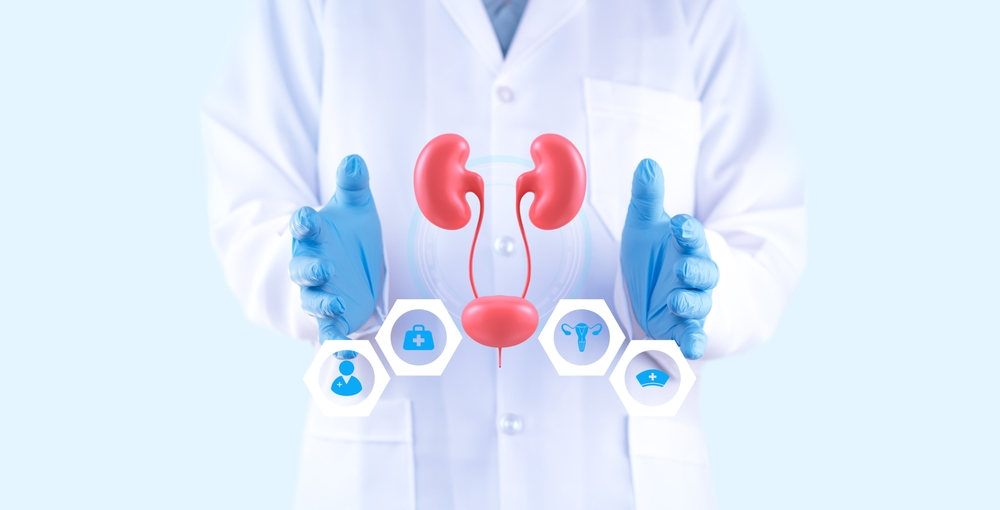
Diagnostic Services in Urology
> Blood Tests:
Used to assess kidney function, detect infections, evaluate hormone levels, and identify markers related to prostate and other urological conditions.
> Urine Tests:
Help diagnose infections, kidney disorders, blood in urine, and metabolic abnormalities affecting the urinary system.
> Imaging Studies:
Advanced imaging techniques such as ultrasound, computed tomography (CT), and magnetic resonance imaging (MRI) are used to visualize the urinary tract, detect stones, cysts, tumors, obstructions, and structural abnormalities.
> Urodynamic Tests:
A comprehensive set of tests that measure bladder function, urine flow, and pressure within the bladder and urethra, commonly used to diagnose conditions such as benign prostatic hyperplasia (BPH) and urinary incontinence.
> Cystoscopy:
A minimally invasive procedure in which a thin, flexible camera is inserted through the urethra to examine the bladder and urinary tract for abnormalities, strictures, stones, or tumors.
> Biopsy:
A diagnostic procedure involving the removal of a small tissue sample for microscopic examination to confirm urological disorders or assess the presence and severity of cancer.
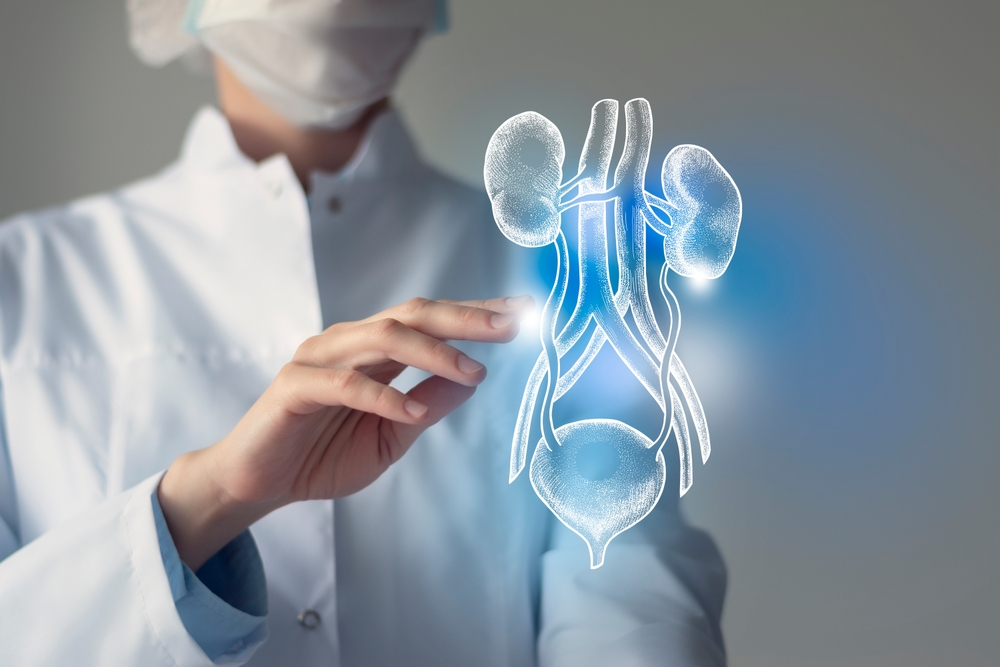
Advanced Diagnosis & Treatment:
• Ultrasound, CT scan, and urodynamic studies.
• Endoscopic and laparoscopic procedures.
• Laser treatment for kidney stones.
• Minimally invasive prostate surgeries.
• Medical and surgical management of urological conditions.