
General Surgery & Laproscopy
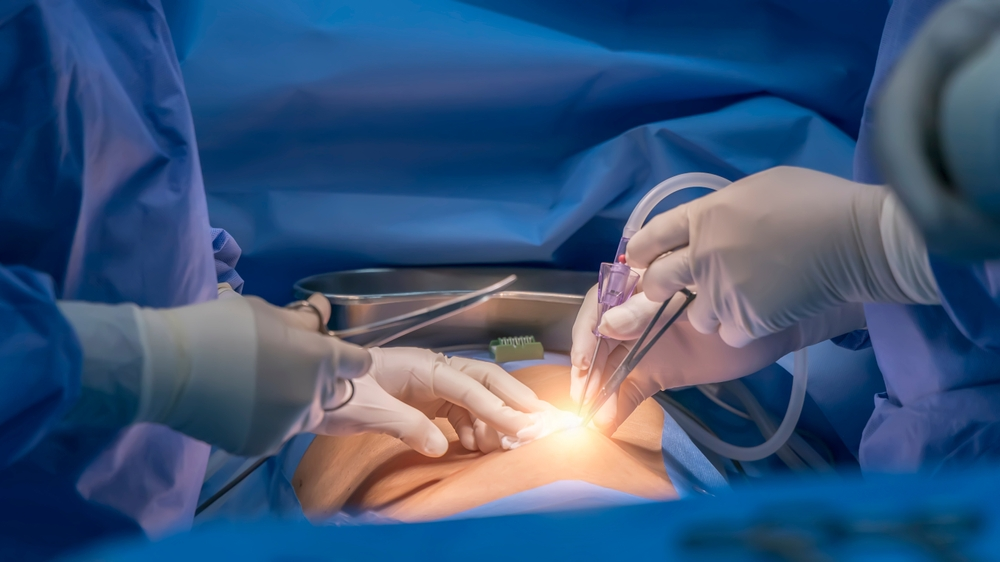
General and laparoscopic surgeries offer distinct benefits and are carefully selected based on each patient’s condition to ensure safe and effective outcomes. Our experienced surgeons perform a wide range of abdominal and related procedures using advanced facilities and strict safety protocols, delivering precise care for both routine and complex surgical needs.
General Surgery
General Surgery covers a broad spectrum of procedures involving the abdomen and related organs, including the esophagus, stomach, small and large intestines, liver, pancreas, gallbladder, bile ducts, and thyroid gland. Our skilled general surgeons are experienced in managing both routine surgical cases and complex procedures with precision and care.
Traditional general surgery is performed using open surgical techniques, allowing direct access and clear visualization of the surgical site. This approach is often preferred for complex, advanced, or emergency conditions. Supported by modern operation theatres, strict safety protocols, and evidence-based practices, our surgical team delivers reliable and high-quality surgical care.
• Comprehensive surgical care for abdominal, thyroid, and soft tissue conditions.
• Expertise in both open (general) and minimally invasive laparoscopic procedures.
• Advanced operation theatres with modern surgical technology.
• Experienced surgeons trained in routine, complex, and emergency surgeries.
• Minimally invasive options for reduced pain, smaller incisions, and faster recovery.
• Personalized treatment plans tailored to each patient’s condition.
• Focus on quicker healing, shorter hospital stays, and improved outcomes.
Versatility: General surgeons in Vijayawada are trained to perform a wide range of surgical procedures, enabling them to effectively manage diverse and complex medical conditions.
Proven Techniques: Open surgical methods have been practiced and refined over decades, allowing surgeons to achieve high levels of expertise and consistently successful clinical outcomes.
Accessibility: Open surgical approaches provide direct access to the operative area, ensuring enhanced visibility, precise control, and accurate execution throughout the procedure.
General Surgery Applications:
• Appendectomy: (removal of the appendix).
• Colectomy: (Part of or whole colon is removed).
• Gastric bypass: (a weight loss surgery).
• Thyroidectomy: (removal of the thyroid gland).
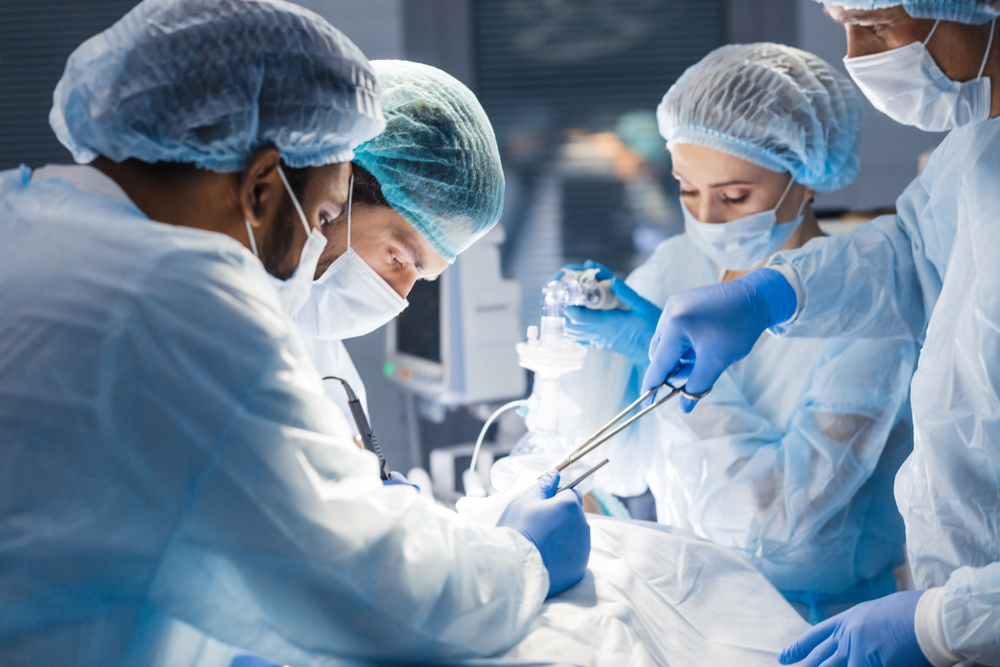
Laparoscopic Surgery
Laparoscopic surgery, also known as minimally invasive surgery, is an advanced surgical technique that involves making small incisions and using a thin, flexible tube with a camera (laparoscope) to visualize the surgical site. This approach reduces the need for large, open incisions and results in less trauma to the body.
Advantages of Laparoscopic Surgery:
• Reduced Pain and Minimal Scarring: Smaller incisions lead to less postoperative pain and minimal scarring compared to open surgery.
• Faster Recovery: Reduced tissue trauma allows patients to recover quicker and resume daily activities sooner.
• Lower Risk of Complications: Minimally invasive techniques help reduce the risk of infection, blood loss, and postoperative complications.
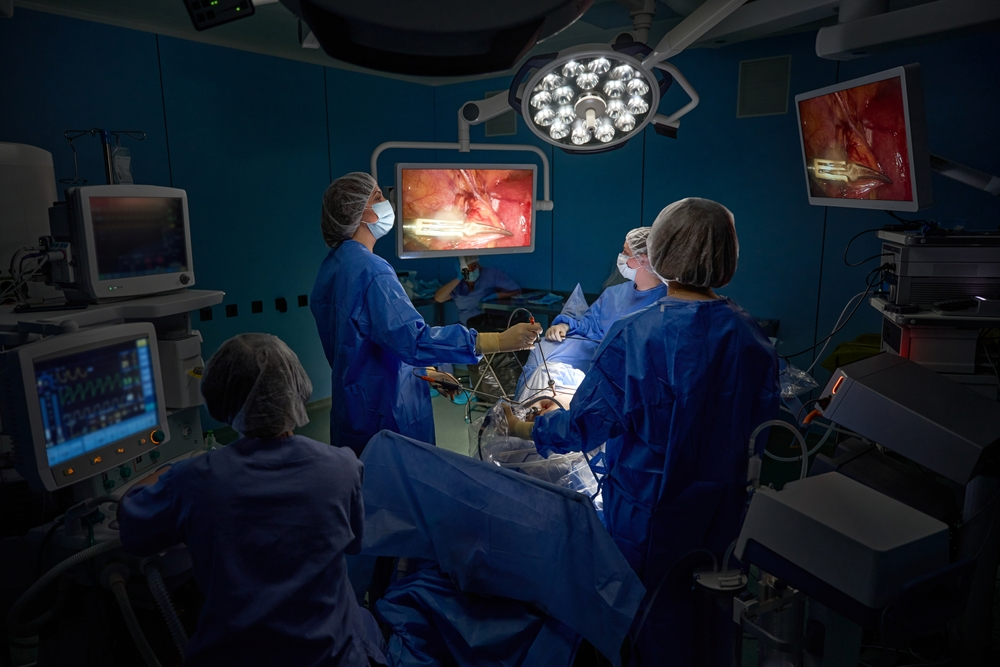
Laparoscopic Surgery Applications:
- Cholecystectomy: (gallbladder removal)
- Nissen fundoplication: (treatment for gastroesophageal reflux disease)
- Nephrectomy: (removal of a kidney)
- Hysterectomy: (removal of the uterus)